Item Base Types
Every base item in the game, shown with its in-game icon and tooltip.
Every piece of gear starts from one of these base items — magic, rare, and unique versions add rolled affixes on top. Each is shown exactly as its in-game tooltip.
Weapons
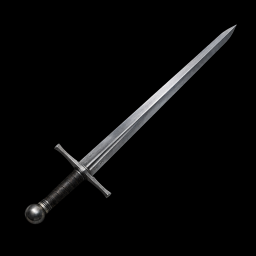
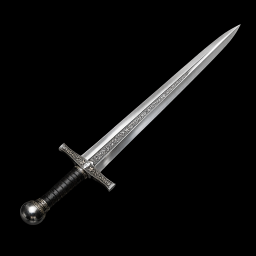
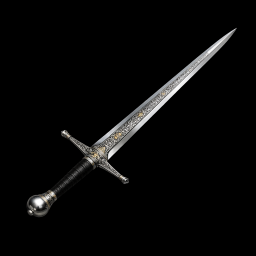
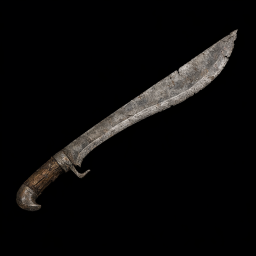
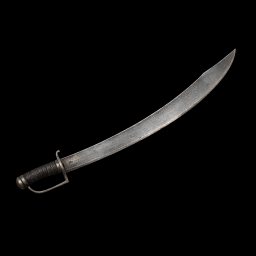
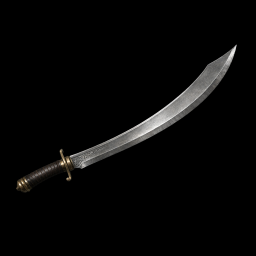
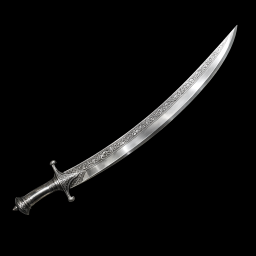
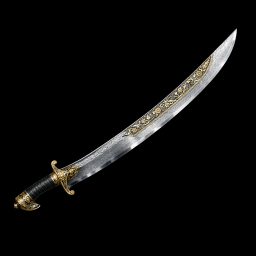
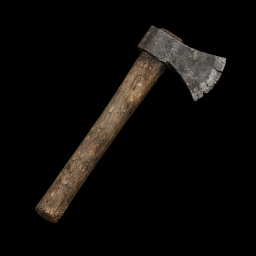
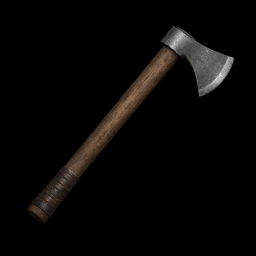
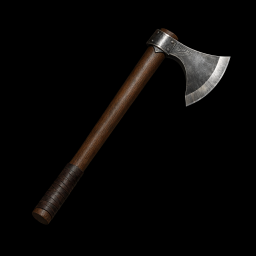
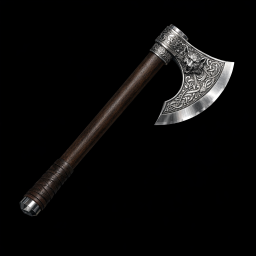
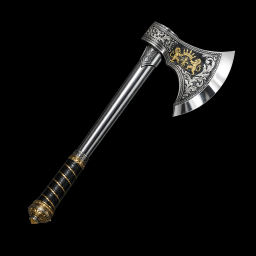
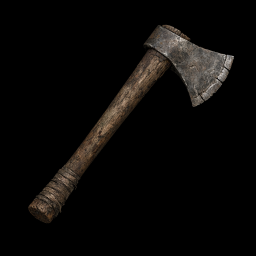
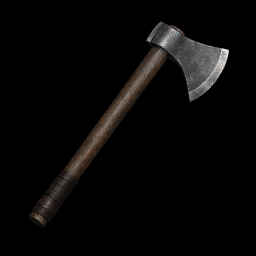
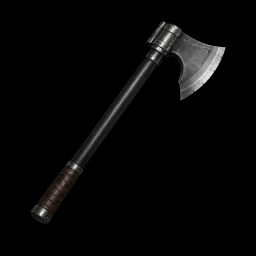
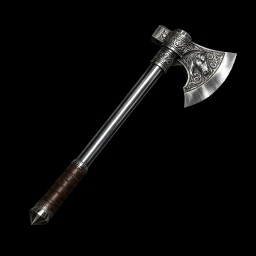
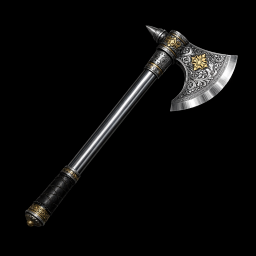
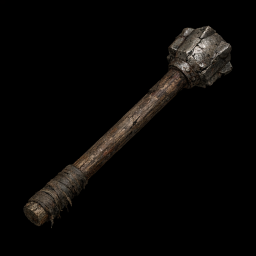
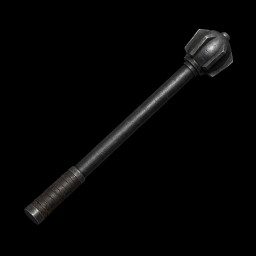
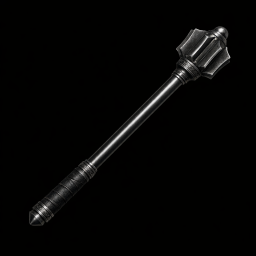
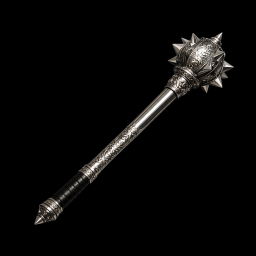
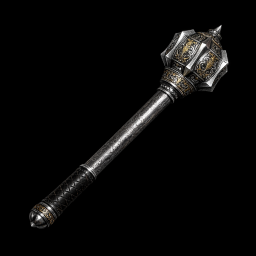
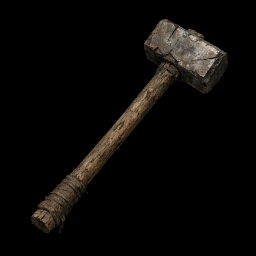
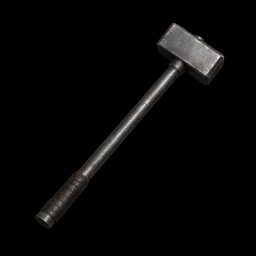
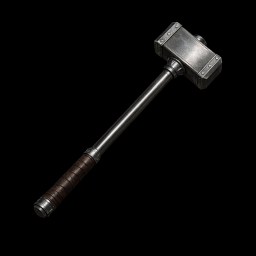
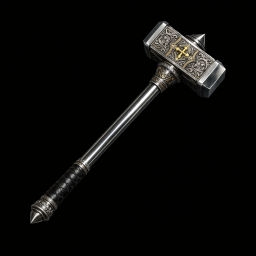
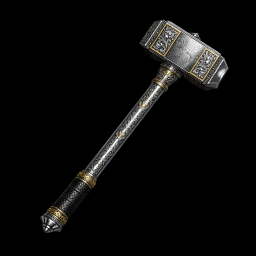
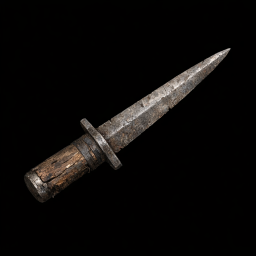
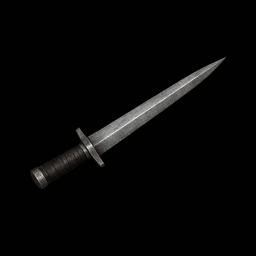
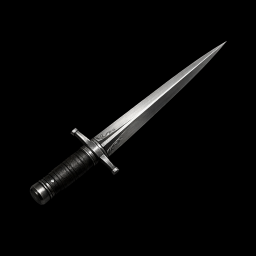
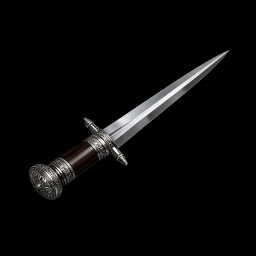
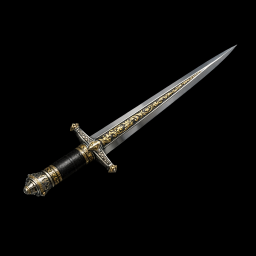
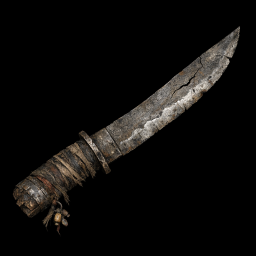
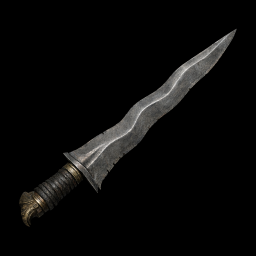
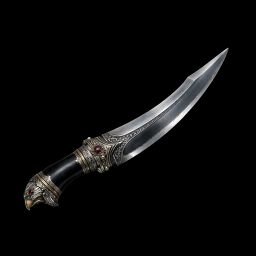
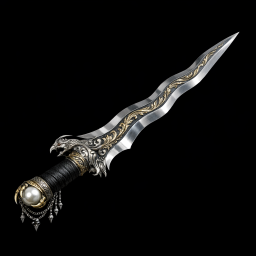
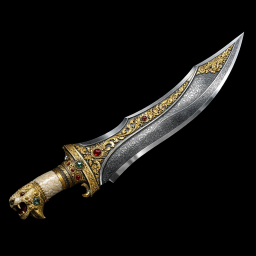
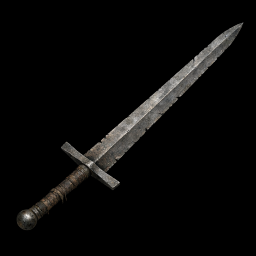
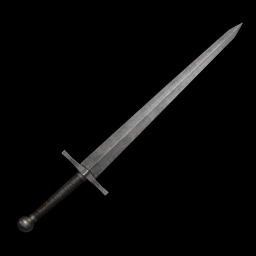
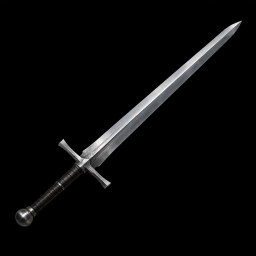
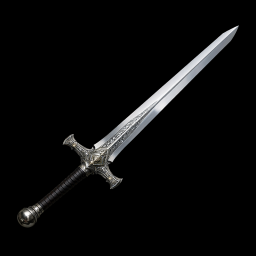
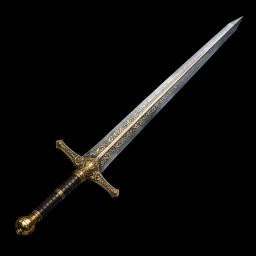
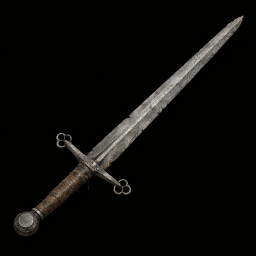
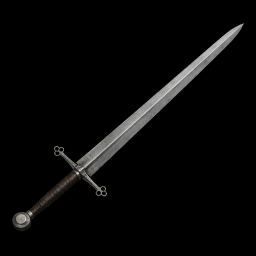
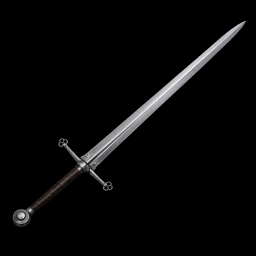
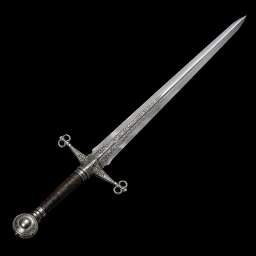
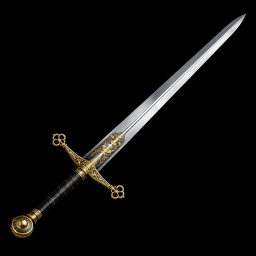
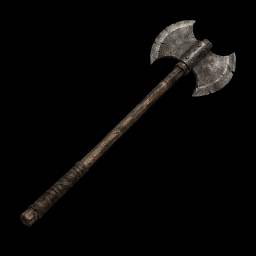
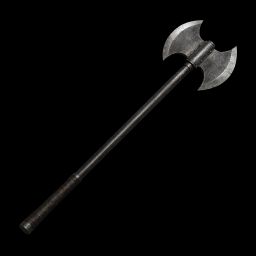
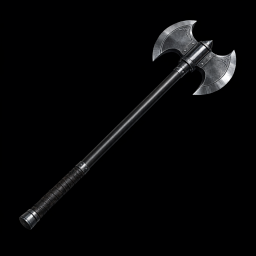
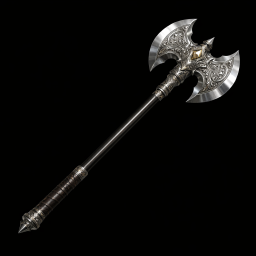
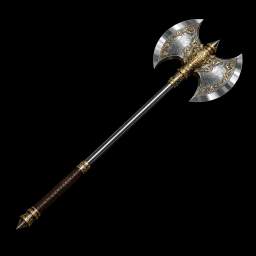
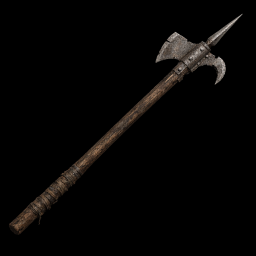
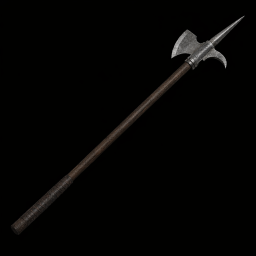
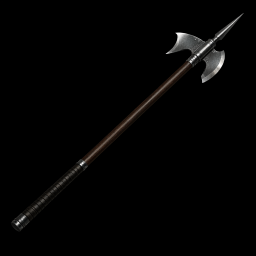
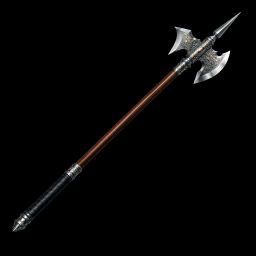
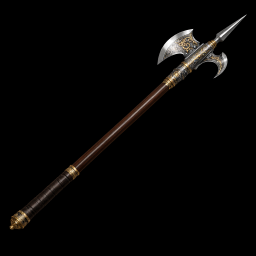
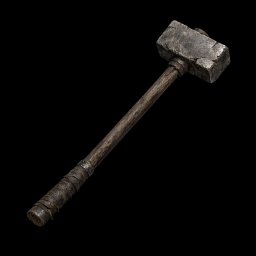
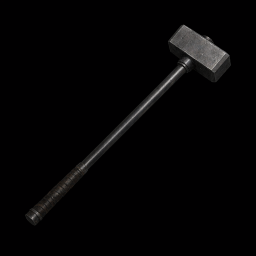
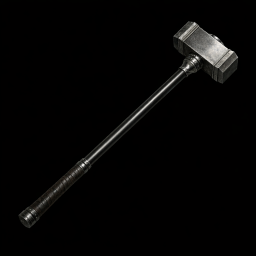
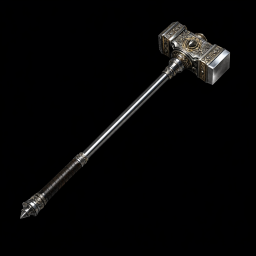
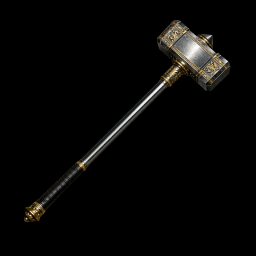
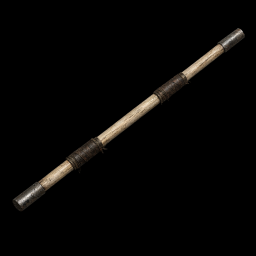
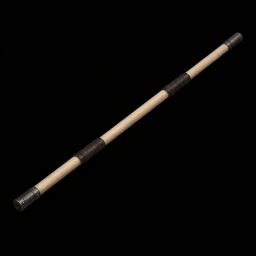
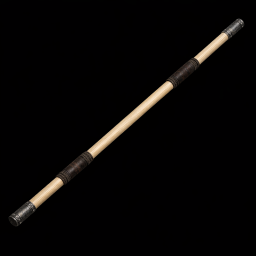
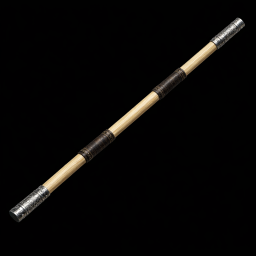
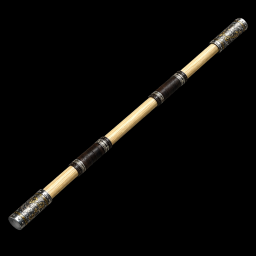
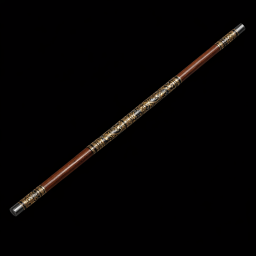
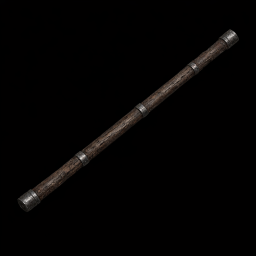
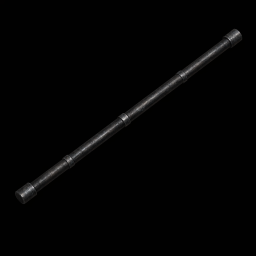
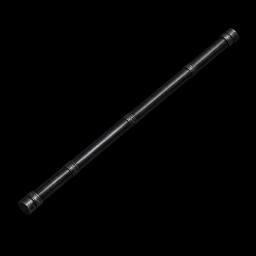
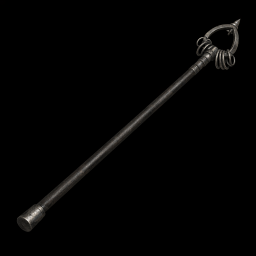
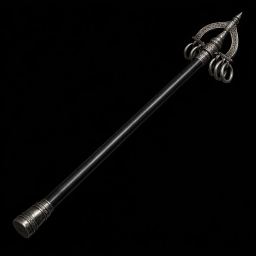
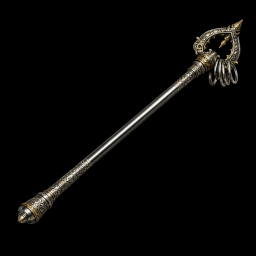
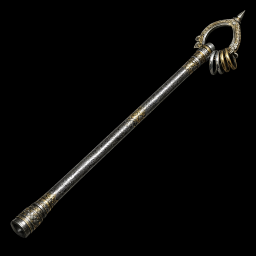
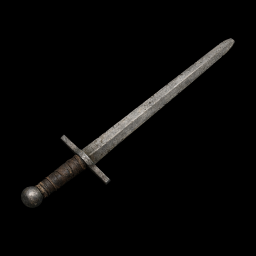
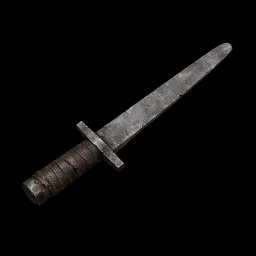
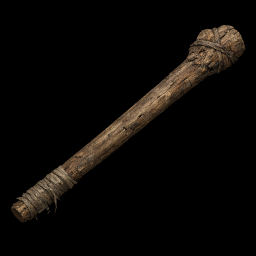
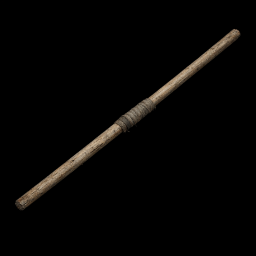
Two-handed
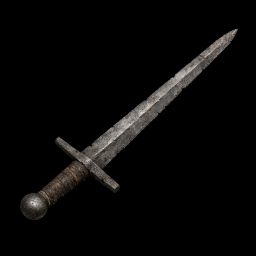
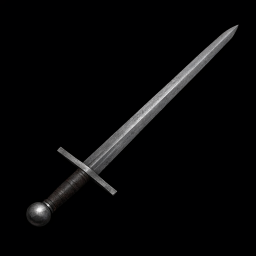
Greatswords and Claymores (blades), Greataxes and Halberds (axes) and Mauls (blunt) are two-handed: each occupies both hand slots.
- Equipping a two-hander moves whatever sits in your other hand back to the bag, and equipping any hand item — weapon or shield — while a two-hander is worn takes the two-hander off the same way. Either move is refused outright when the bag has no room for the piece that comes off.
- All they buy is raw damage. Every one-handed family sits on the same base DPS per tier, and a
two-hander is that baseline ×1.75 (
TWO_HANDED_DAMAGE_MULT) spread over its own interval — so greatswords and greataxes (2.5 s, Slow), claymores and halberds (3 s, Very Slow) and mauls (3.5 s, Very Slow) share one DPS and differ only in how big a single hit lands. - Nothing else is special: the normal weapon affix pool, no extra affix slot, no higher roll caps. They weigh 9, counted once, and share the level chain 7 / 25 / 45 / 65 / 85.
- Giving up the off-hand costs you the shield: no block chance and no shield defense from gear (only the Shield Mastery passive, the staves T6 Parry and the Monk’s Guarded Stance still grant block without one), and the shield-gated Sentinel nodes — Shield Strike, Aegis, Smite, Judgement, Bastion, Shield Charge and the Shield Wall passive — fall back or go quiet. The Shields training class earns nothing while you hold one; the two-hander’s own class trains exactly like a one-hander of that class.
Staves
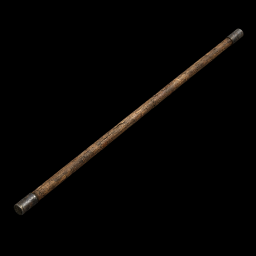
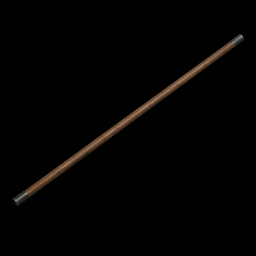
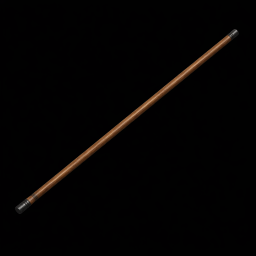
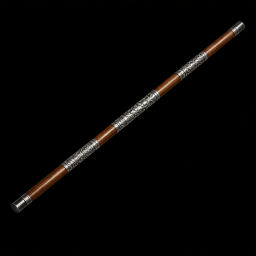
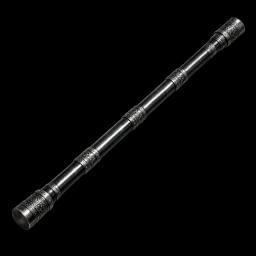
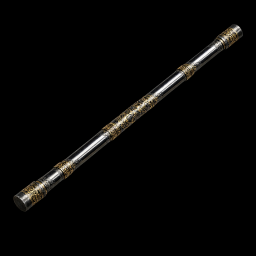
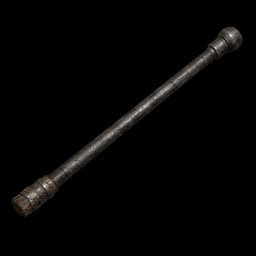
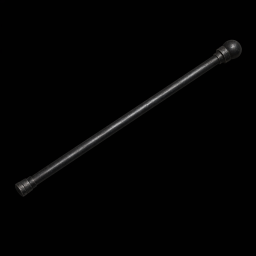
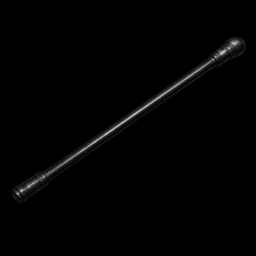
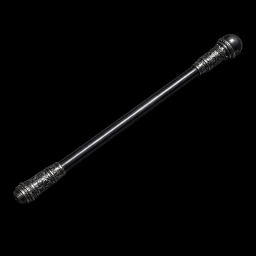
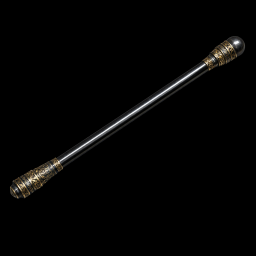
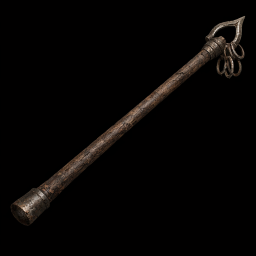
Quarterstaffs, Bo, Battlestaffs, Ironstaffs and Khakkharas are the two-handed staves line, a training class of their own.
- They follow the two-hander rules exactly: both hand slots, the same ×1.75
(
TWO_HANDED_DAMAGE_MULT) damage baseline spread over their own interval, the normal weapon affix pool, the level chain 7 / 25 / 45 / 65 / 85, durability 35. - What sets the line apart is its speed spread: a Quarterstaff swings at 1 s (Very Fast), a Bo at 1.5 s (Fast), a Battlestaff at 2 s (Normal), an Ironstaff at 2.5 s (Slow) and a Khakkhara at 3 s (Very Slow) — all five on one DPS, so you pick the hit size and the class bonus you want, not a damage tier. Weight runs 7 / 8 / 9 / 10 / 11.
- The Monk passive reads “is this a staff”, so every tier of all five families is +20% for a Monk. Every other class judges a staff by its speed class like any other weapon.
- The Staves training class earns rep from staff swings; its T6, Parry, is the one way to block with no shield at all.
Starter gear
Every hero is handed a full set of training gear at character creation. All of it is level 1, carries no affixes and is exactly the tier-1 row of the base it copies, so it is as strong as the Worn gear it stands in for and nothing more:
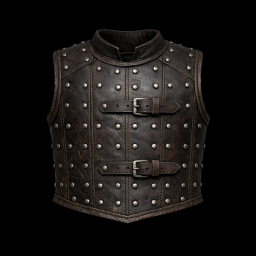
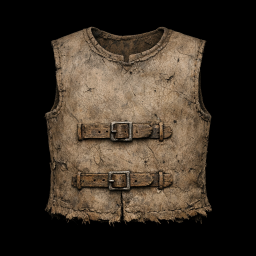
- Training Vest — the T1 leather Vest (chest, 40 defense).
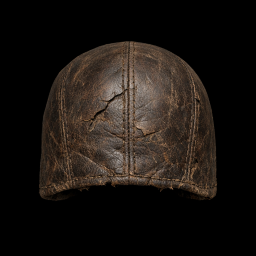
- Training Cap — the T1 leather Cap (head, 11 defense).
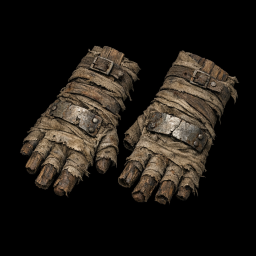
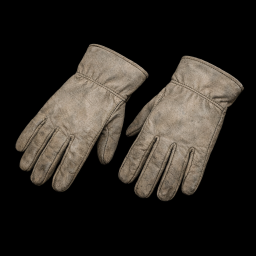
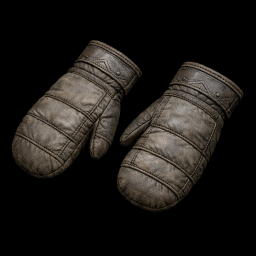
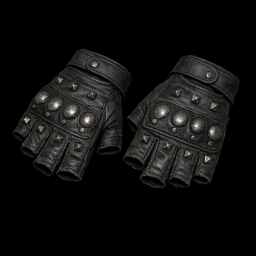
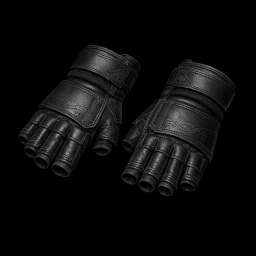
- Training Gloves — the T1 leather Gloves (11 defense).
- Training Boots — the T1 leather Boots (11 defense).
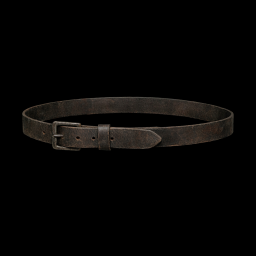
- Training Belt — the T1 leather Belt (11 defense, 1 extra potion slot).
- Training Buckler — the T1 Kite shield (50 defense, 28% block, 1.5 s), the Sentinel’s off-hand.
- Training Sword — the T1 Sword (10–17 damage, 2 s, blades), the Sentinel’s one-handed starter weapon.
- Training Dagger — the T1 Dagger (8–12 damage, 1.5 s, daggers), the Duelist’s pair, fast so the Duelist passive applies.
The weapon depends on the class: the Berserker opens on the Training Greatclub, the Monk on the Training Staff — both level-1 two-handers built from the real two-hander formula at tier 1, good to level 7 where the first real two-handers and staffs drop. The Duelist starts on two Training Daggers, the Sentinel on a Training Sword and the Training Buckler. The sword swings at Normal speed, so unlike the Worn Knife it used to replace it is neither fast nor slow for a class passive.
All of it is starter-only: it never drops, the trader never stocks it, the loot filter never matches it, and the smith cannot upgrade it to a higher tier. The training armour also does not count toward a material set, so it earns no training reputation — real armour has to replace it before a material track starts moving.
Dual wield
Any two one-handed weapons can be worn at once, one per hand — a sword and an axe, two knives, a scimitar and a hammer. Only shields are restricted to one; a two-hander still fills both hands on its own and can never be part of a pair.
- Each hand swings on its own timer at its own interval, and both hands run your selected main skill. A knife (1.0 s) in the off-hand really does swing twice as often as a sword (2.0 s) in the main hand.
- Every hand’s hit lands at 65% damage, so two hands add up to 130% of a single weapon’s damage, plus a second full set of affixes. Every per-hit effect a hand carries — Rage / Valor per hit, Rage / Valor On Hit, crushing-blow chance, stun chance, bleed, armor shred, a main skill’s leech per rank, Flurry stacks — counts for only 50%, so the pair procs at 100%: swinging twice buys damage, not doubled procs. Values that belong to the character rather than the swing (Berserk’s defense penalty, the attack-speed multipliers of Crush / Berserk / Flurry, your main skill’s rank) apply once, not per weapon.
- Affixes that scale the weapon carrying them — flat and enhanced damage, flat elemental damage, life leech, Rage On Hit, attack speed — only ever touch that hand’s swings. So do a weapon’s accuracy affixes (Attack Rating, Attack Rating %, Hit Chance): each hand rolls to hit with its own weapon’s rating, and the hero box splits into a Strike (Main Hand) and a Strike (Off-Hand) group — headed by the selected main skill — each with its own Damage and Hit Chance row. The combat view gets a second, thinner swing bar for the off hand under the main-hand one, on desktop and phone alike. Everything else on the item (resistances, vitality, magic find …) counts once, exactly as it always did — including those same accuracy affixes when they sit on armour, an amulet, a ring or a shield.
- Like a two-hander you give up the shield: no block chance and no shield defense from gear (only the Shield Mastery passive, the staves T6 Parry and the Monk’s Guarded Stance still grant block without one), and the shield-gated Sentinel nodes — Shield Strike, Aegis, Smite, Judgement, Bastion, Shield Charge and the Shield Wall passive — fall back or go quiet — on both hands.
- Both hands train, only the main hand’s bonuses count. Each weapon earns training rep for its own class at half the normal rate (the pair earns what one weapon would), but only the main hand activates its class’s T1–T5 bonuses and T6 mechanic. Otherwise the off-hand contributes damage and its own affixes and nothing else — an off-hand mace never concusses, an off-hand axe never breaches. The character sheet’s stat rows describe the main hand too; Attacks per Second is the one row that shows both hands.
Setting your main hand. The paperdoll marks the current main hand with a small badge.
- Desktop: right-click the equipped off-hand weapon in the paperdoll to promote it (left-click still unequips).
- Mobile: tap the equipped weapon and use the Main hand button in its item sheet, next to Unequip.
- Unequipping the main hand promotes the remaining weapon automatically, so you are never left with a main hand that holds nothing.
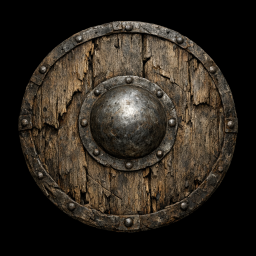
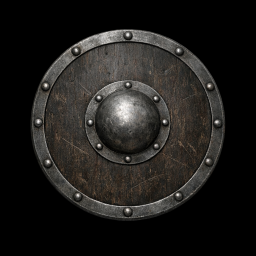
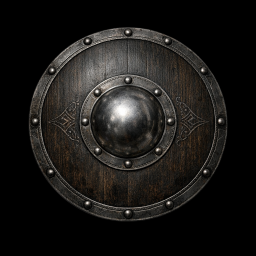
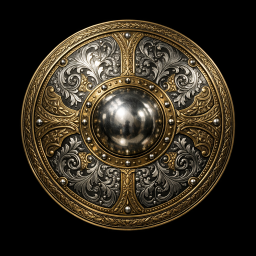
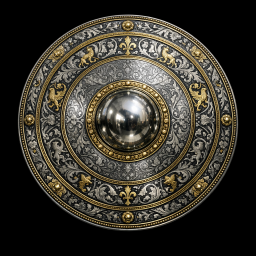
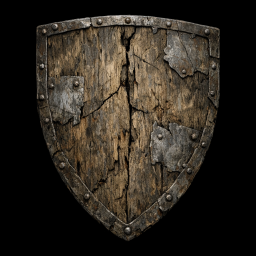
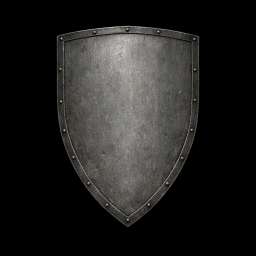
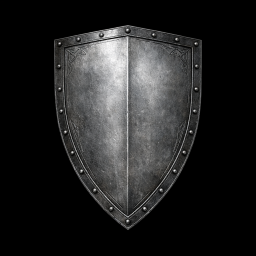
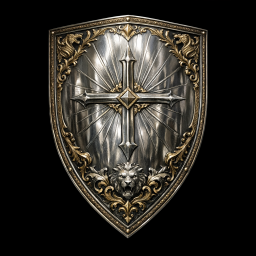
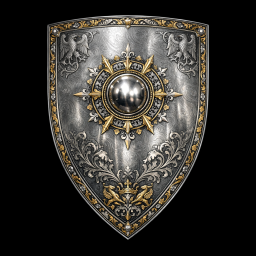
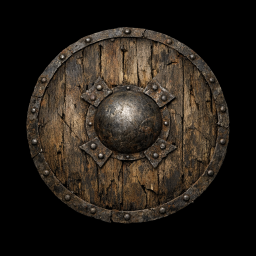
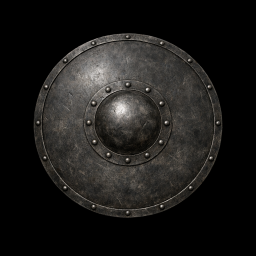
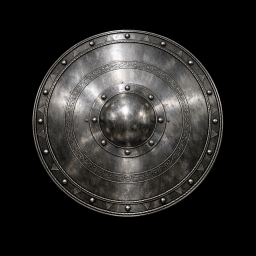
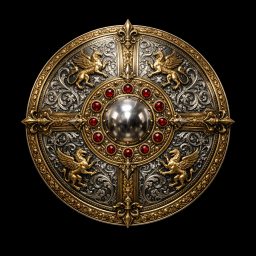
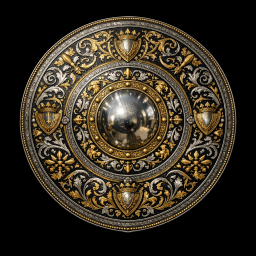
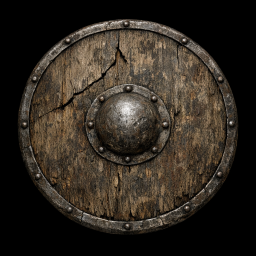
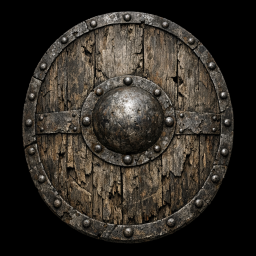
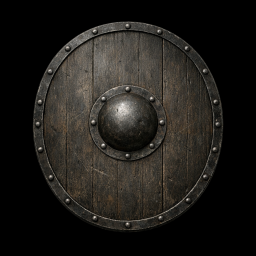
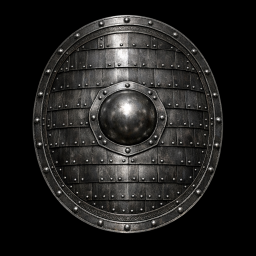
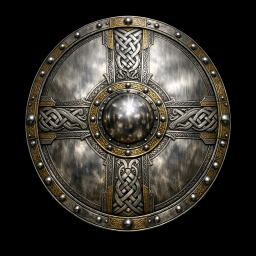
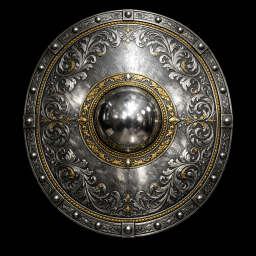
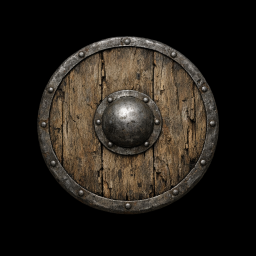
Shields
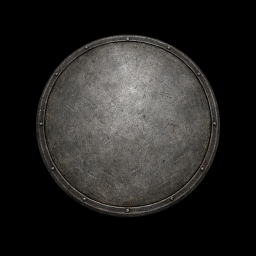
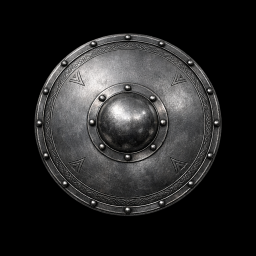
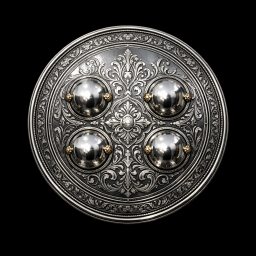
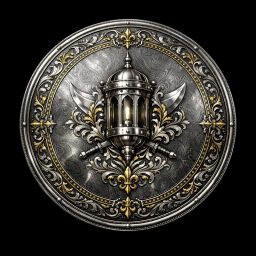
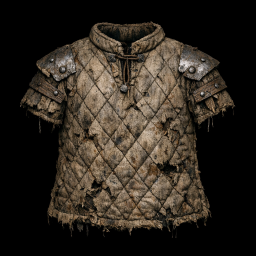
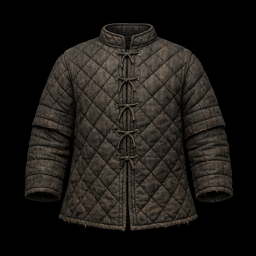
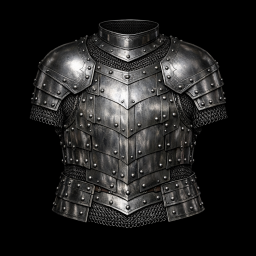
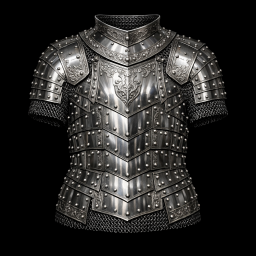
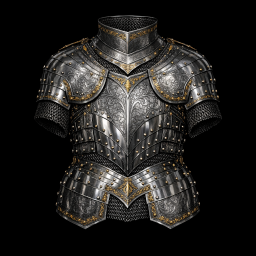
Body armour
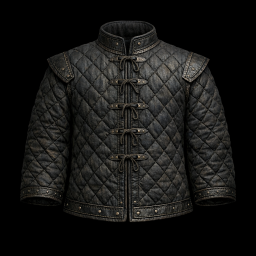
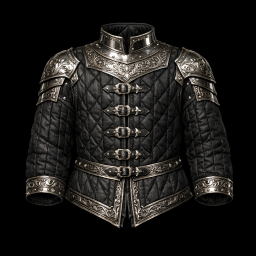
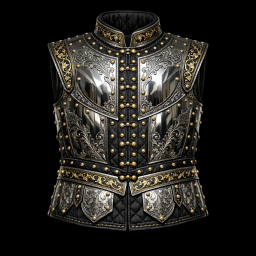
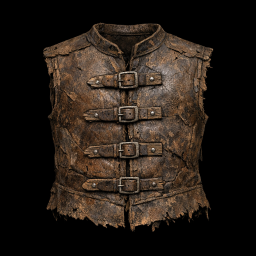
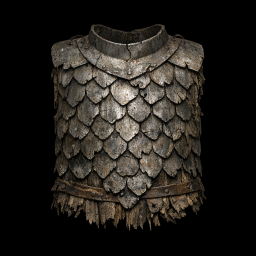
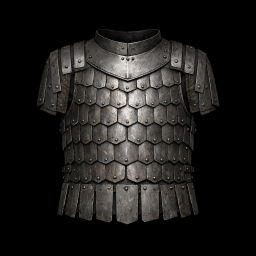
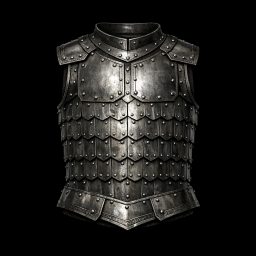
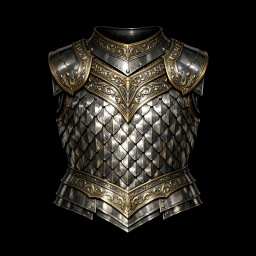
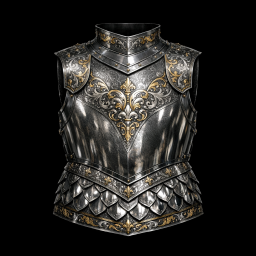
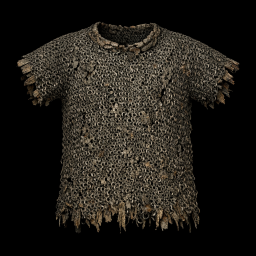
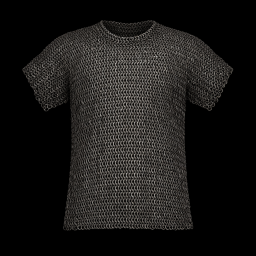
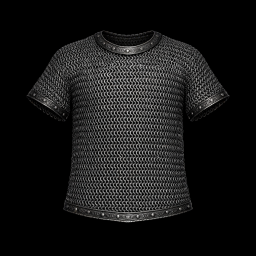
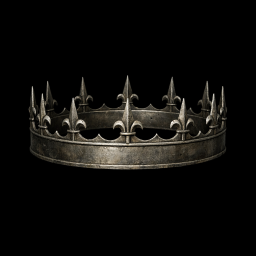
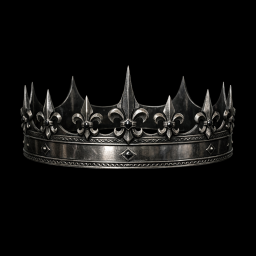
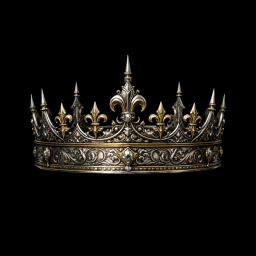
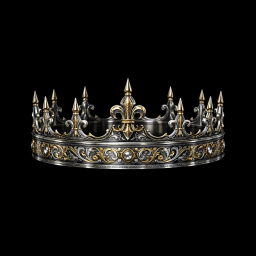
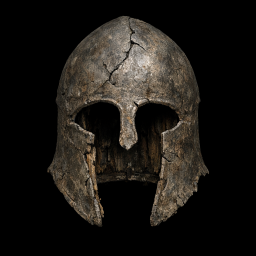
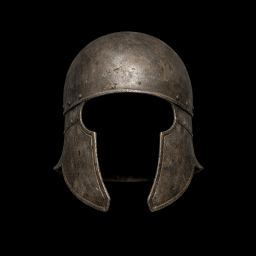
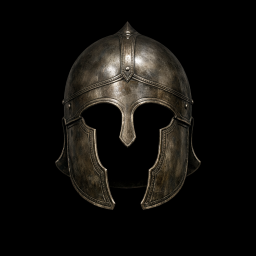
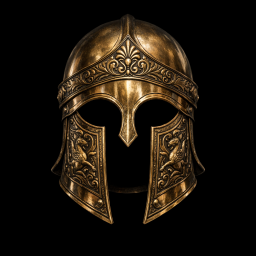
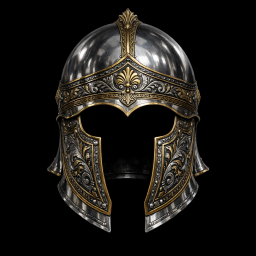
Helmets
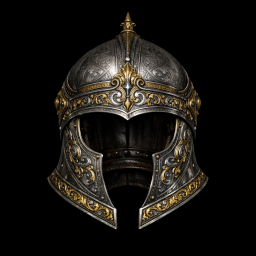
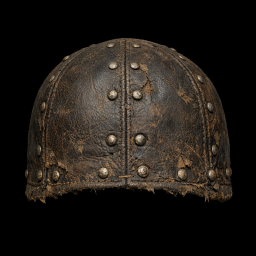
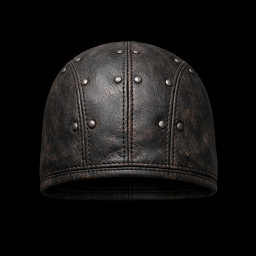
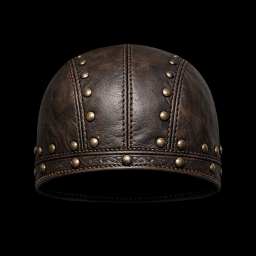
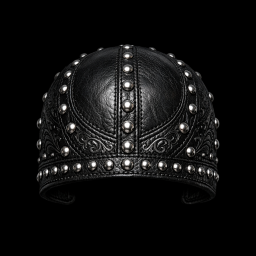
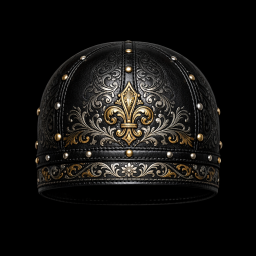
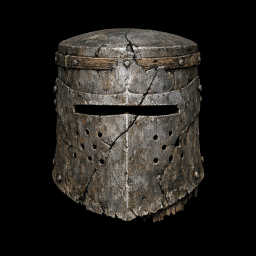
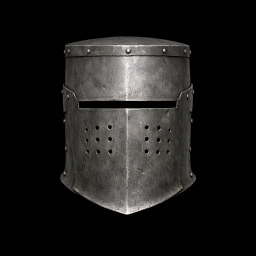
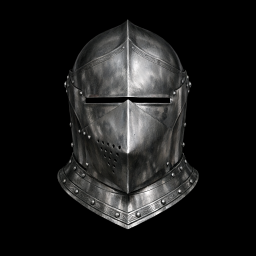
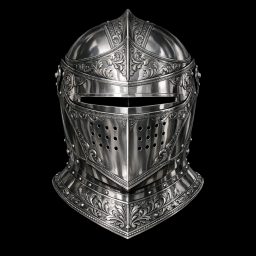
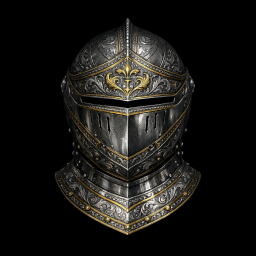
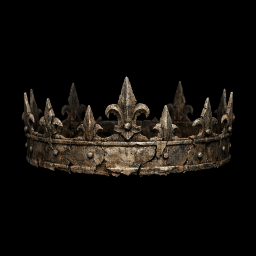
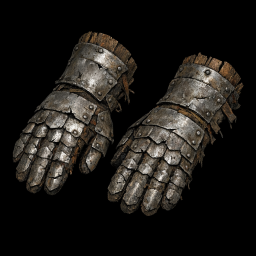
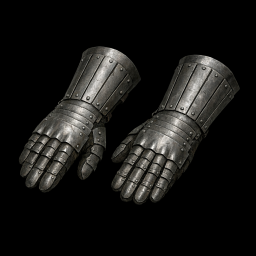
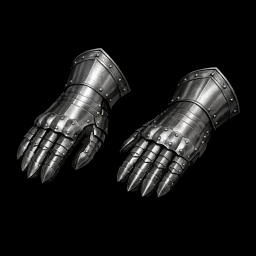
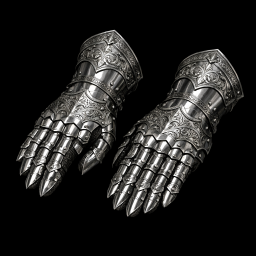
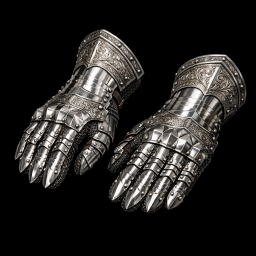
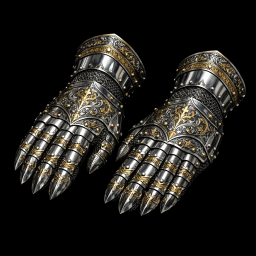
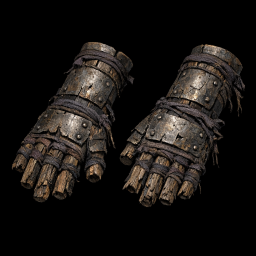
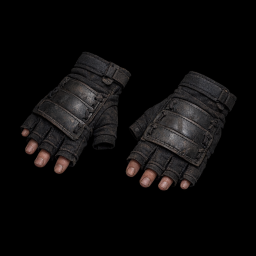
Gloves
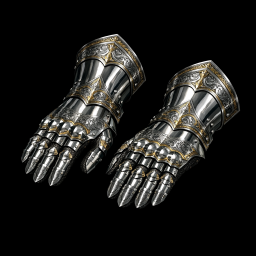
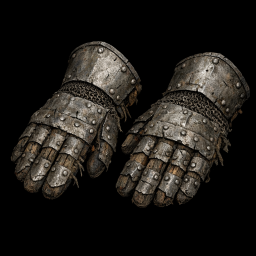
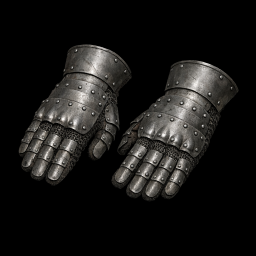
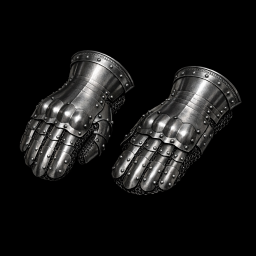
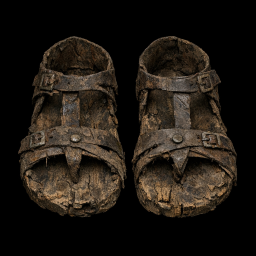
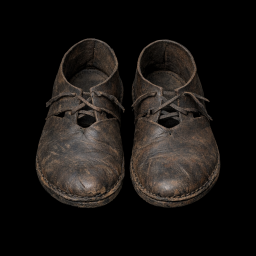
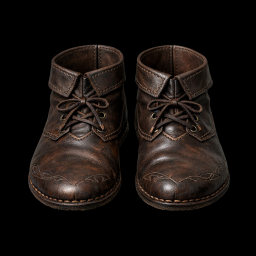
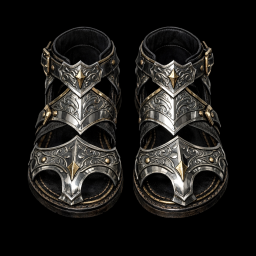
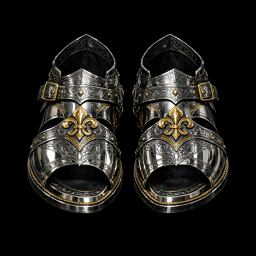
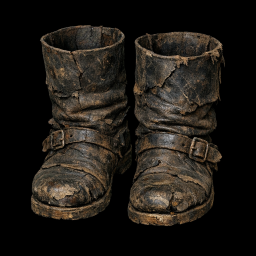
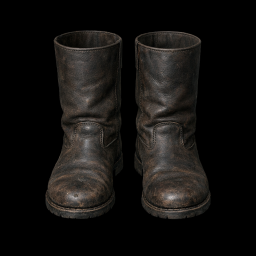
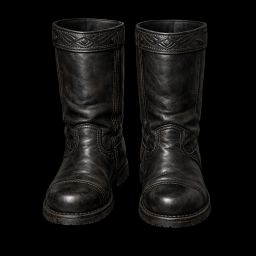
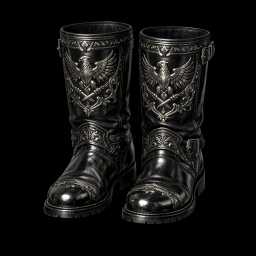
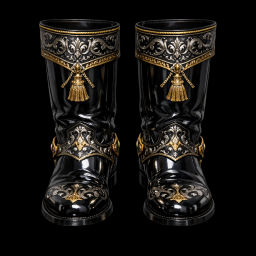
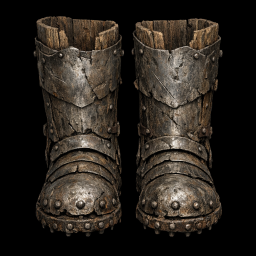
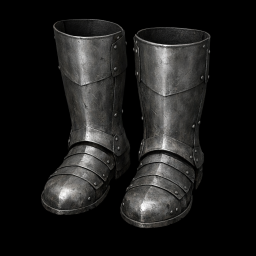
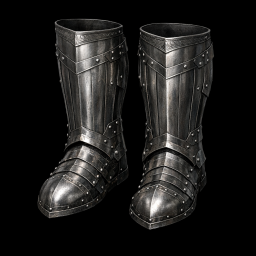
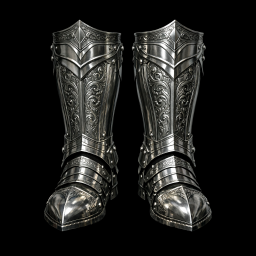
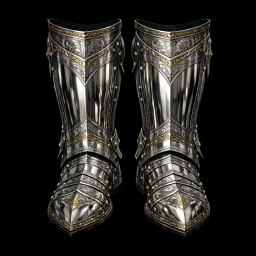
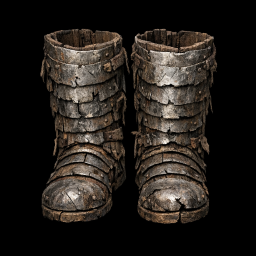
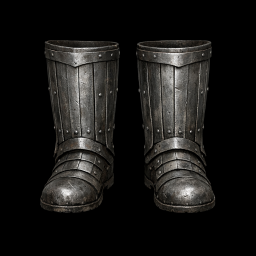
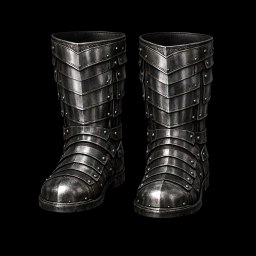
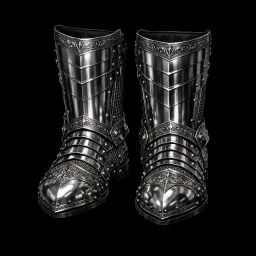
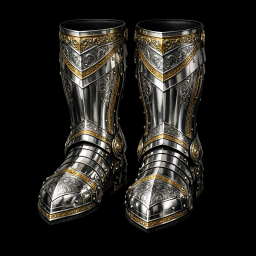
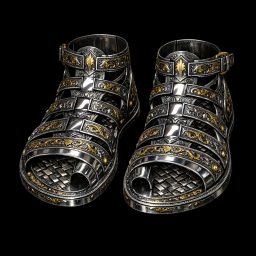
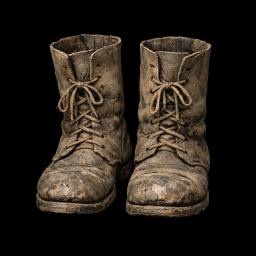
Boots
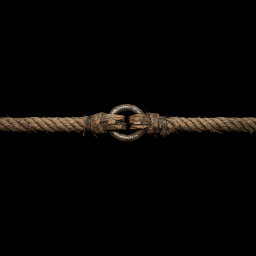
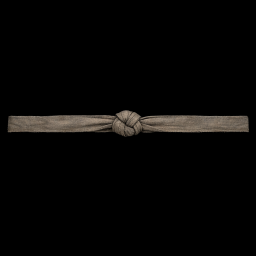
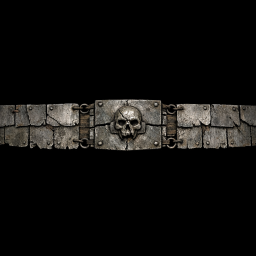
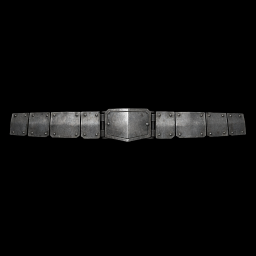
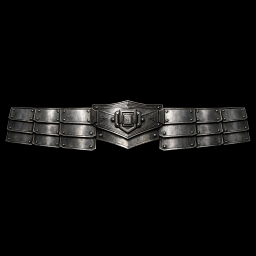
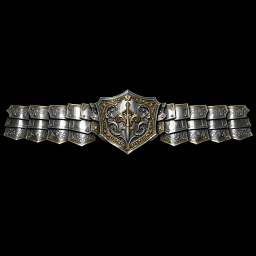
Belts
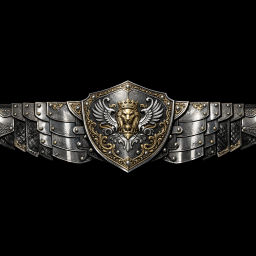
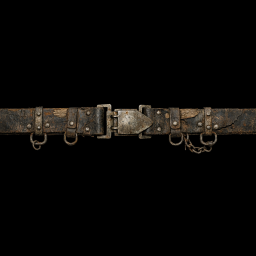
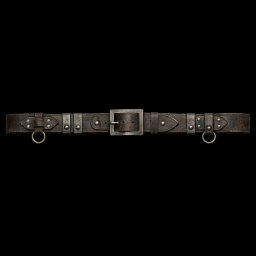
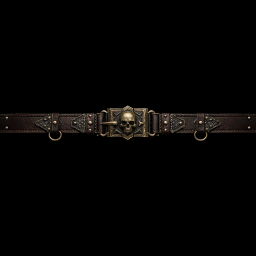
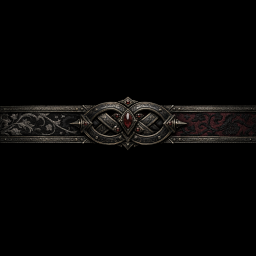
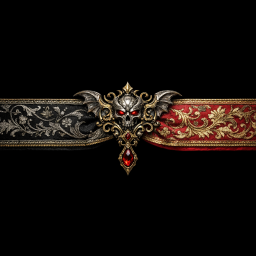
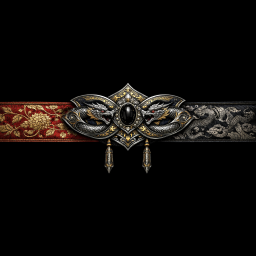
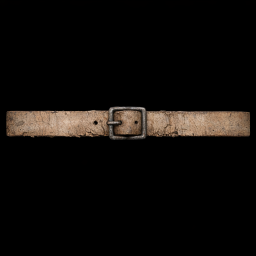
Amulet
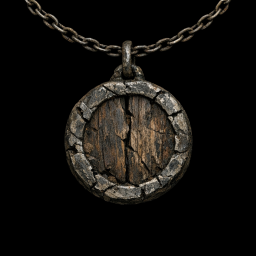
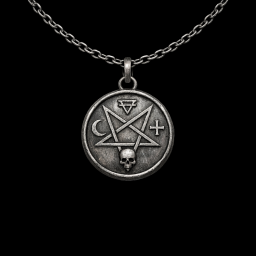
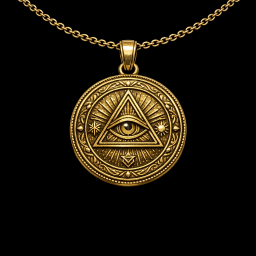
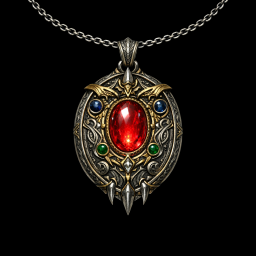
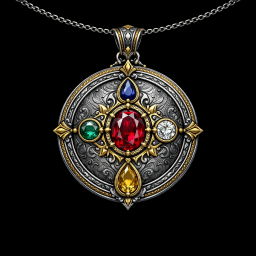
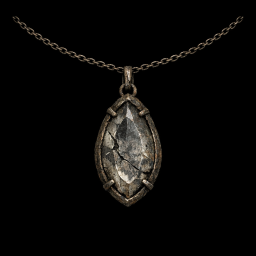
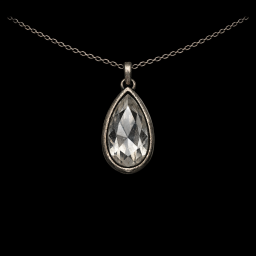
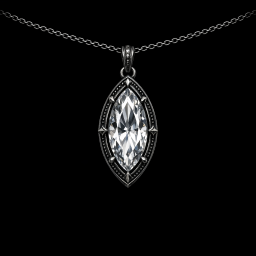
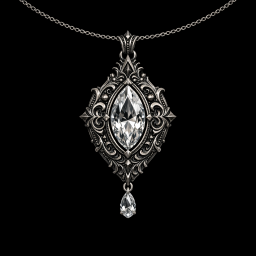
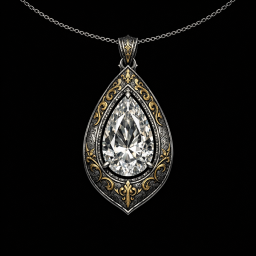
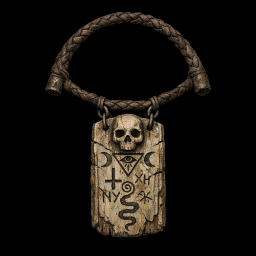
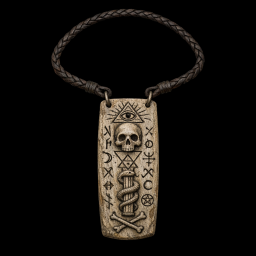
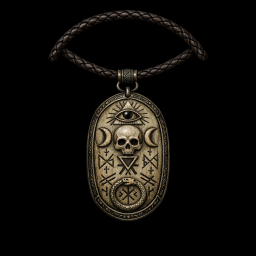
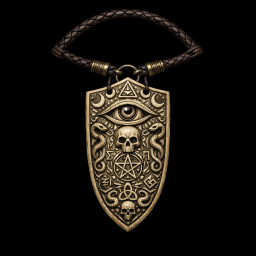
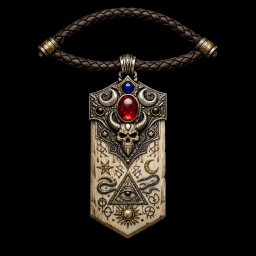
Amulets carry no implicit stats and never drop at normal rarity — every amulet is at least magic. Three families share the tier chain Tarnished → (plain) → Polished → Ornate → Jeweled.
Ring
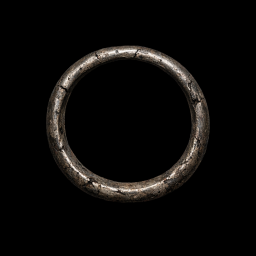
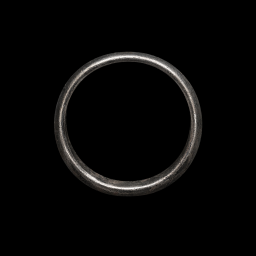
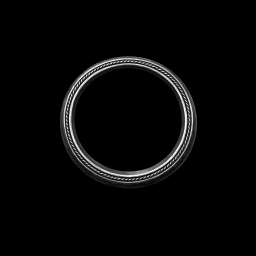
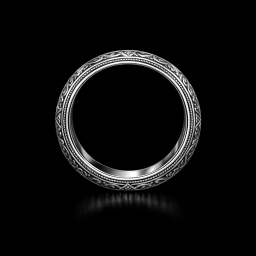
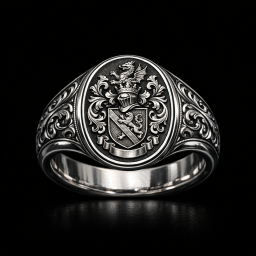
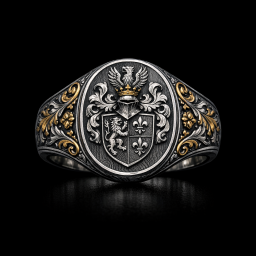
Rings share the two ring slots and follow the amulet model exactly: no implicit stats, and they never drop at normal rarity — every ring is at least magic. Two families share the tier chain Tarnished → (plain) → Polished → Ornate → Jeweled. The same ring may be worn in both slots.